Audience intelligence is the practice of turning raw customer data into clear, actionable understanding of who your audiences are, how they behave and what they’re likely to do next. Instead of just knowing basic demographics, brands use audience intelligence to see patterns across lifecycle, value, interests and intent—and then activate those insights in campaigns.
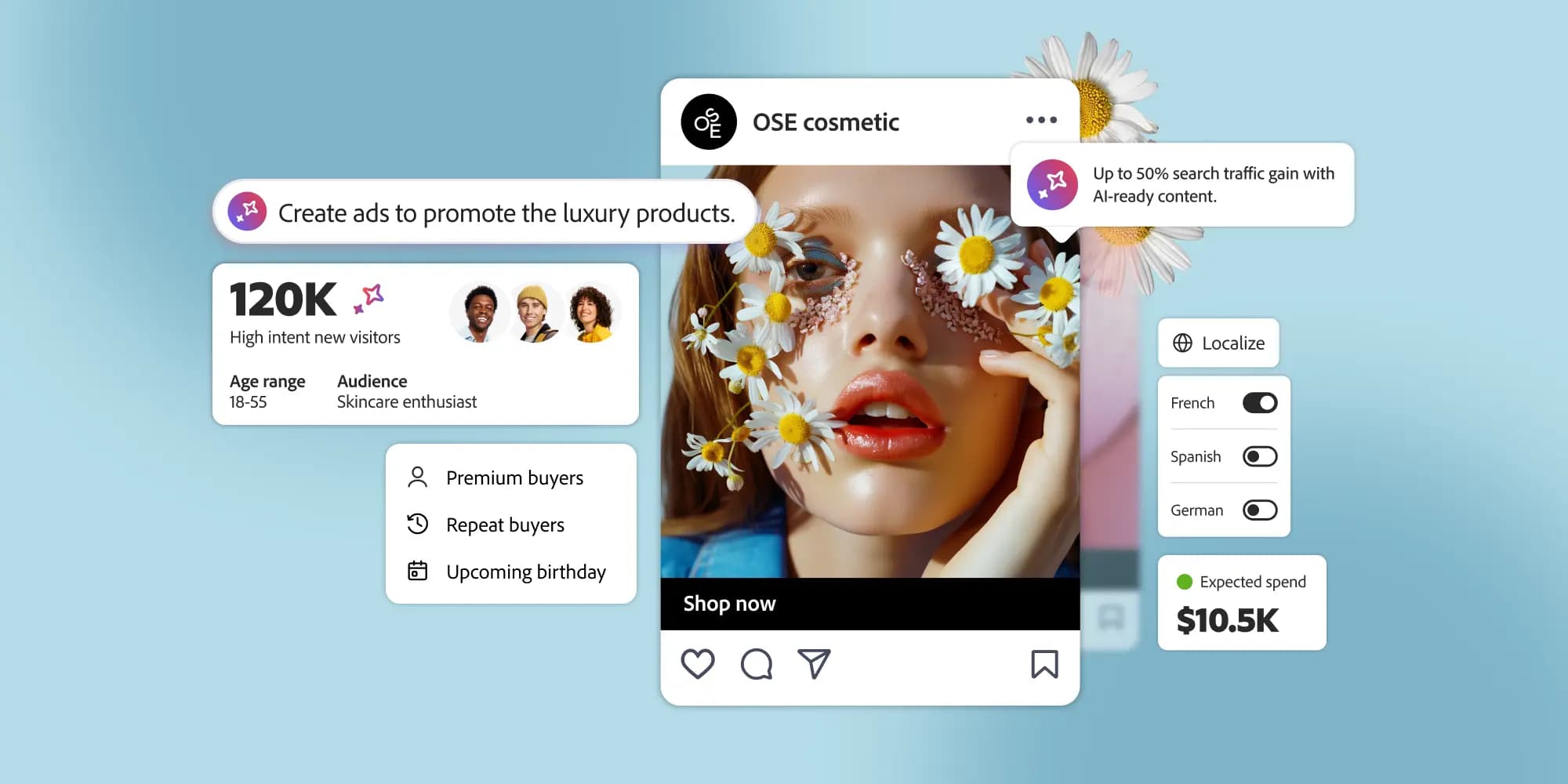
For growing brands, this means combining data from ecommerce platforms, CRMs, analytics tools and ad accounts to build a richer picture of customers. When audience intelligence is strong, teams can design campaigns that feel tailored, reduce wasted spend and increase conversion across channels.
A robust audience intelligence strategy often starts with a persona library backed by real data rather than guesswork. Imagine having 45+ personas that cover different lifecycle stages, value tiers, interests and behavioural patterns for your brand.
You might group them into categories like:
The breadth of such a persona library lets you speak differently to each group, align creative and offers with what they care about, and avoid treating “all customers” the same.
Once you have clear personas and intent segments, the next step is orchestration—using shared audiences across email, ads, SMS, WhatsApp and other touchpoints instead of building separate lists everywhere. The goal is to create a single audience definition (for example, “high‑intent repeat buyers in skincare”) and activate it consistently across channels.
In practice, that looks like:
The core idea is that one well‑defined audience can power multiple touchpoints, ensuring consistent messaging and better performance.
As brands grow, manual audience segmentation and one‑size‑fits‑all campaigns quickly hit their limits. Scaling efficiently means investing in audience intelligence: building a deep persona and intent library, standardising how audiences are defined and shared, and orchestrating those audiences across every channel where you meet customers.
Done well, this leads to: